
Author: Md Yunus Siddiqui
-
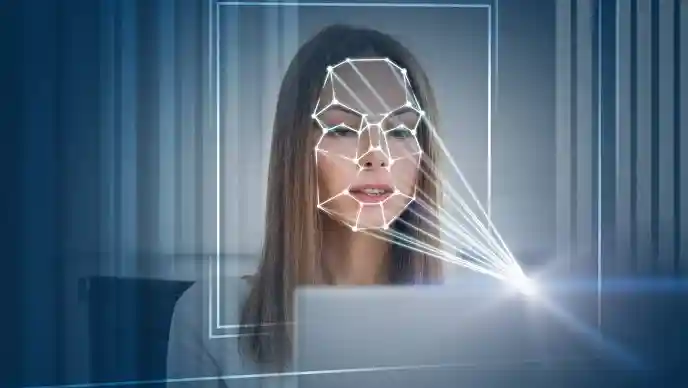
Harmful effects of facial recognition technology on women
Facial Recognition Technology (FRT) poses significant, disproportionate harms to women due to built-in algorithmic biases, lack of regulatory oversight, and historical imbalances in data collection. This is because many foundational artificial intelligence models were trained on datasets overwhelmingly dominated by white men (white people), the technology inherently fails women at much higher rates. Such failures…
-
Use and misuse of facial recognition technology
Facial recognition technology offers fast identity verification and improved security. It also creates major risks like privacy loss, mass surveillance, and misidentification due to algorithmic bias. It is both a boon and a bane. Benefits of facial recognition comprise speed and convenience, public safety, efficiency and health, and automation. Harms and risks of facial recognition…
-
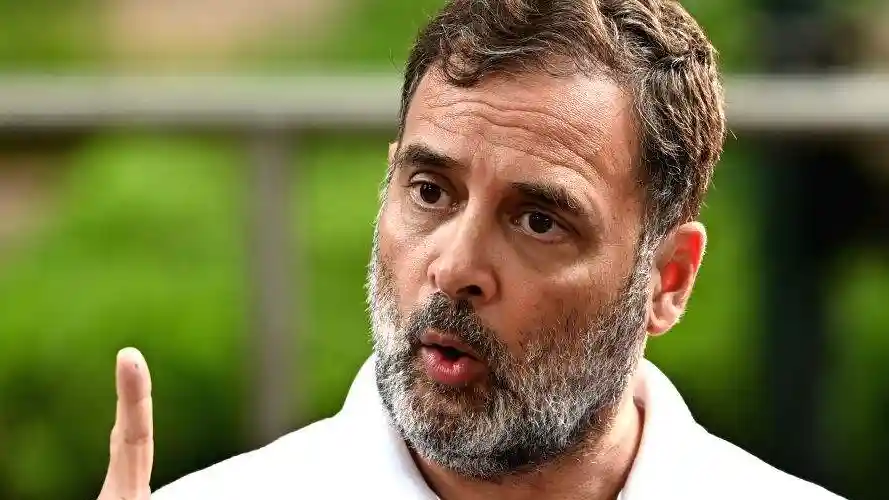
Rise of Rahul Gandhi as a credible people’s leader
The best that has happened to India at this juncture of despondency and darkness, all around, resulting from the misrule of RSS Pariwar union government with thriving fascism, communalism, religious polarisation, massively rigged elections, partisan state organs (public institutions), discriminatory polity, minorities’ bashings, fractious social fraternity, ill-treating people as slaves, massive unemployment, almost no checks…
-
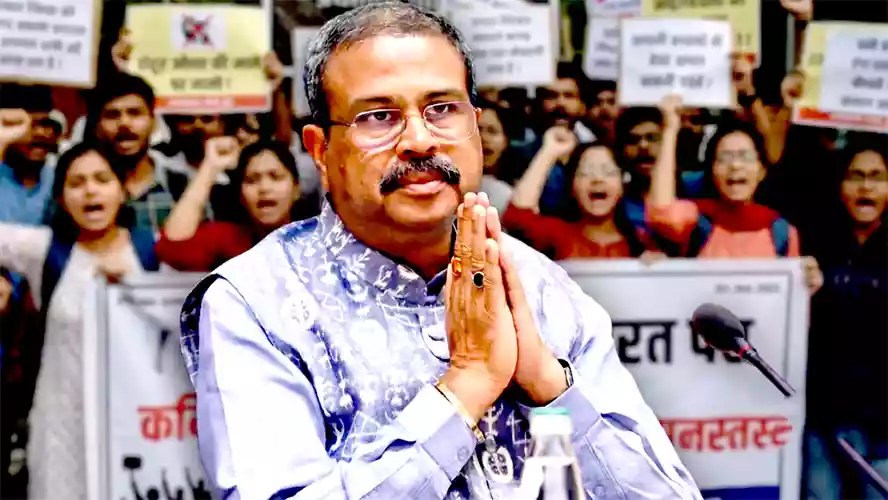
Lessons from union education minister’s resignation
The youth led Cockroach Janta Party (CJP), formed immediately with a massive support from all over the country and abroad, triggered by unsavory derogatory remarks by the Chief Justice of India (CJI) from the highest seat of justice, catalyzed a major democratic revival in India by driving en masse digital mobilization, forcing the resignation of…
-
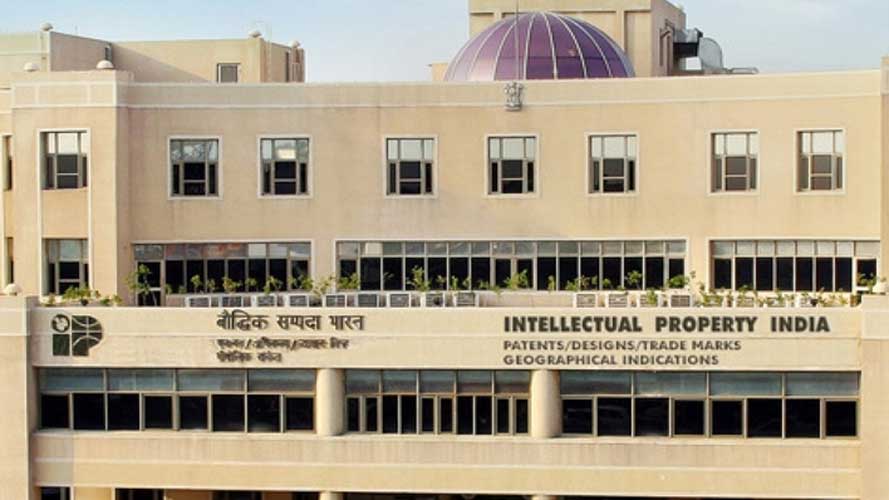
Appraisal of India’s patent regime
India’s patent regime balances fostering technological innovation with protecting public welfare. Guided by the Indian Patents Act 1970, its core strengths like strict patentability limits and strong compulsory licensing, frequently clash with global harmonization and local compliance frameworks. Critical challenges and limitations include evergreen patents grants via examinations, friction with international pressures, eased working disclosure,…
-

Banning social media for children below 16 years
Union government in the Ministry of Information Technology & Electronics has taken up an exercise to ban social media access to children below 16 years, encouraged by Australia’s and some other countries’ experiment to this effect. If this proposal is introduced in India, there will be built-in algorithm (age assurance technology), which will prevent any…
-
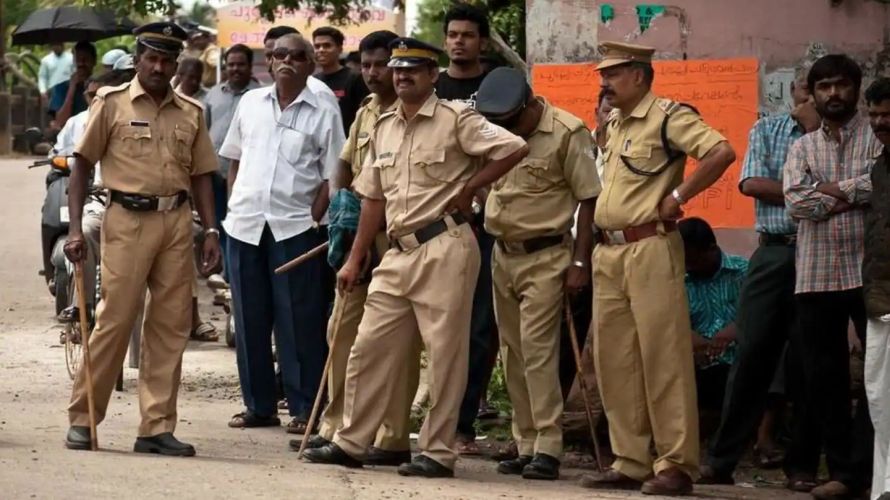
Corruption in Indian police
Corruption in the Indian police is a systemic issue largely driven by political influence, poor remuneration, and broad discretionary powers. It frequently manifests as petty extortion, bribery for registration of FIRs, case investigations, and protection rackets. Despite frequent public controversies and institutional acknowledgement, structural reforms not only are slow, but also have come a cropper,…
-
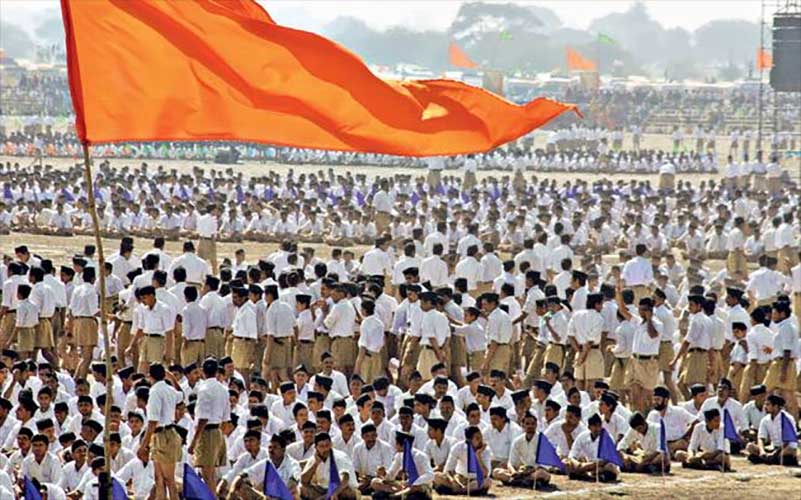
Twelve years of RSS Pariwar union government
Last twelve years of RSS Pariwar union government’s performance has been defined by polarized outcomes. While the government pushed successfully digital infrastructure and targeted welfare to the masses, high unemployment, rising economic inequality, democratic backsliding and the erosion of institutional independence have been witnessed as severe shortcomings. A critical breakdown of the government’s performance across…
-
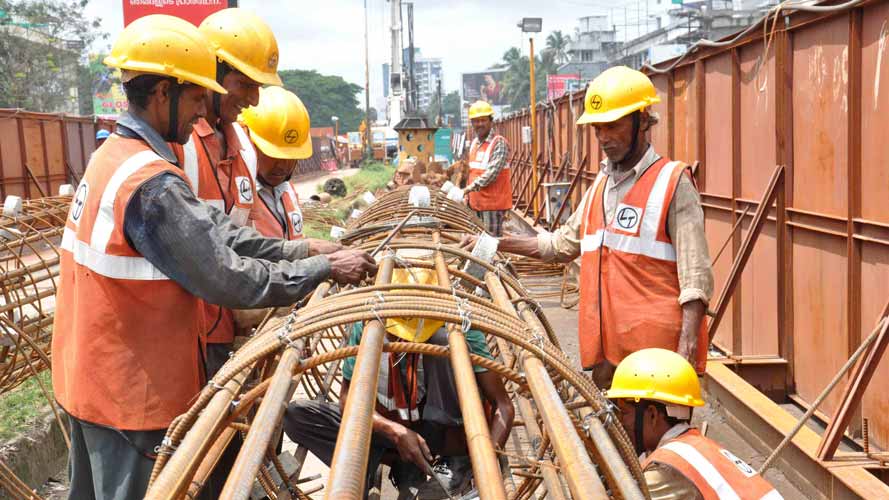
Shortcomings of four labour codes in India
India’s four new labour codes on wages, social security, industrial relations and occupational safety aim to ostensibly simplify 29 central laws, yet face criticism for reducing worker protection, empowering employers, and leaving vast informal sector gaps. Key issues include strict strike limitations, high employee thresholds for layoff approvals, and ambiguous protections for gig workers. Experts…
-
Failure of India’s foreign policy
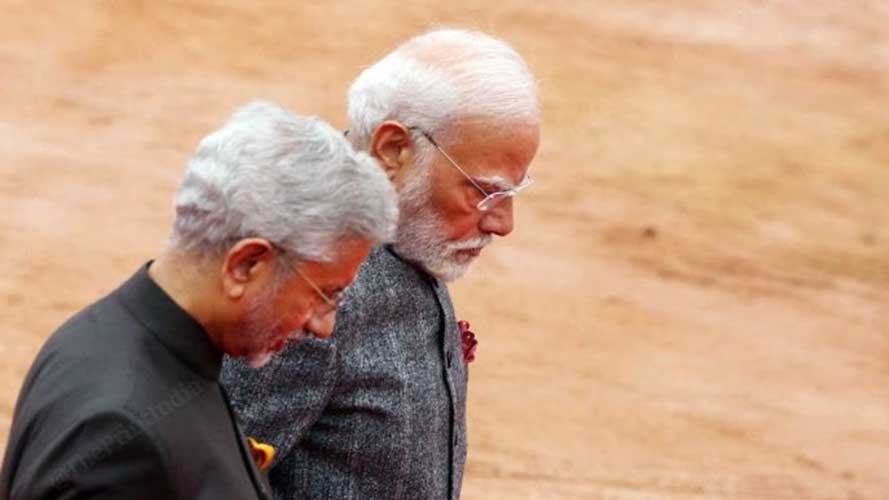
“ I am ashamed of How Gutless, Spineless Our Government Has Been”, stated noted author and Pulitzer award winner Arundhati Roy on US-Israel war on Iran, while talking on her book Mother Mary Comes to Me on March 9, 2026, in the context of country’s surrender to appease US over unilaterally imposed trade detrimental to…
-
Lack of public accountability in union government
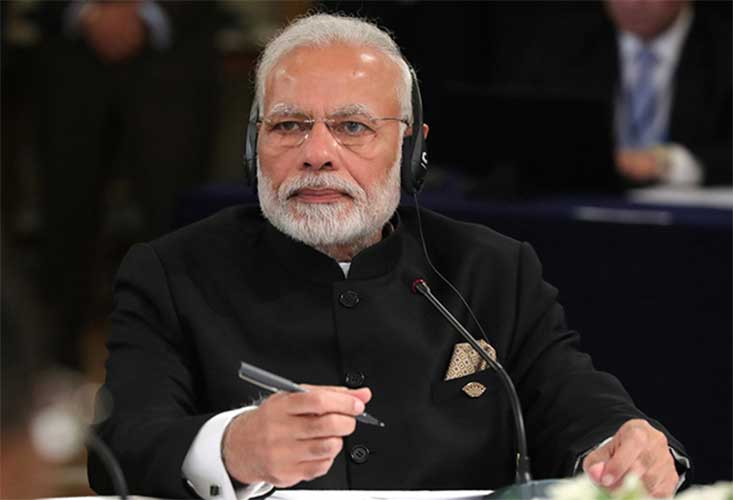
There are wide spread public concern over lack of accountability of the RSS Pariwar union government since 2014, when the Bharatiya Janata Party (BJP) assumed power. Lack of public accountability has been a central theme in critiques of India’s democratic health. Without accountability, the rule of law-based system of constitutional democracy is reduced to election…
-

Challenges of cyber security in India
In present day’s interconnected world, cyber security has emerged a critical issue in India as also globally. In continuing with rapid digitalization, India is witnessing fast technology advancement. This prompts us to understand the current state of cyber security in India. There are threats, trends and challenges that India faces in protecting its digital infrastructure.…
-
India on 77th Republic Day 2026
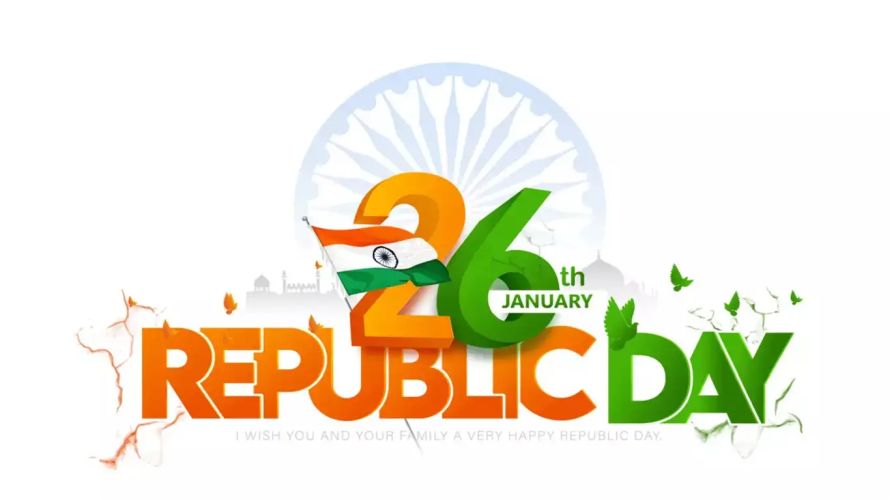
Republican India presents a gloomy picture of the collapse of the rule of law based constitutional democratic system of governance on the 77th Republic Day on January 26, 2026. On this day in January 1950, the Constitution of India postulating Justice, Liberty, Equality and Fraternity for all people equally and alike was promulgated, which stand…
-
Growing cybercrimes and its prevention!
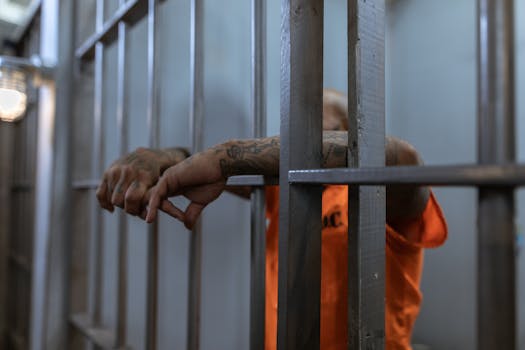
Cybercrime is a criminal activity that involves a computer, networked device or a network. Cybercrime destroys the system and generates profit for the cybercriminals. Some of the cybercrimes involve direct damage to the computers or devices and even disable them. Either spreading the malware, illegal information, images or any other irrelevant materials do such damage…
-
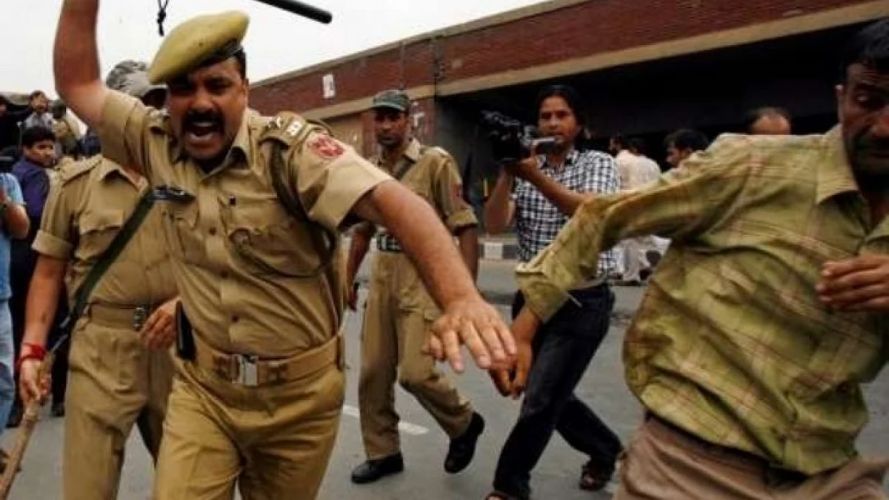
Police neutrality takes a hit in India
Police in India is no longer neutral, fair and unbiased. The Status of Policing in India Report (SPIR) 2025 finds that caste, religion and political affiliation often play a decisive role in shaping police perception and influencing their actions. This bias affects decisions on investigation, enforcement and legal proceedings, finds the study, which surveyed a…